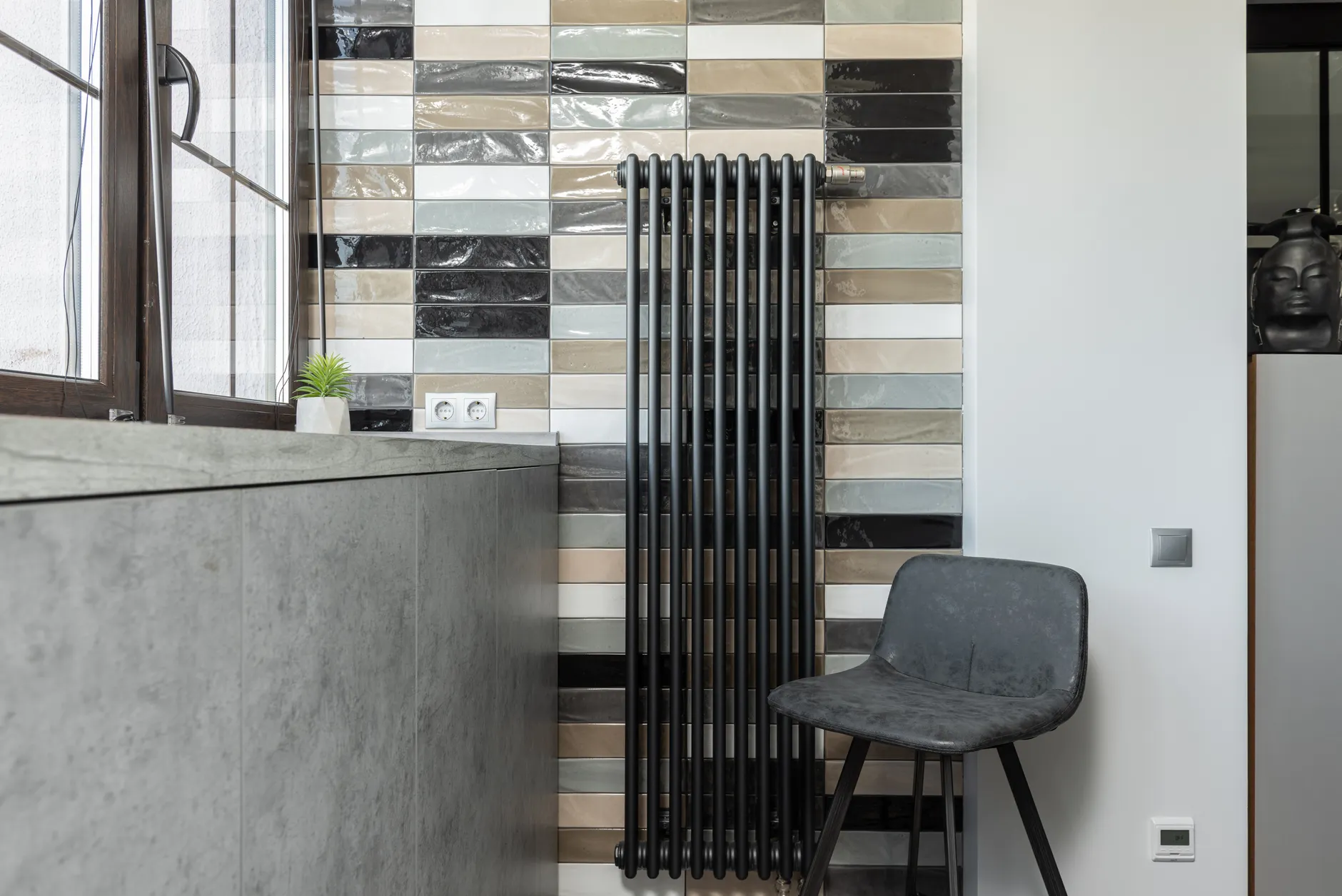
Plumbing · Tooting, London
Power Flushing in Tooting, London
A power flush is a deep clean for a heating system: a pump pushes water through every radiator and pipe at high flow to carry out the rust, scale and sludge that bleeding cannot reach. [Honest Plumber Tooting](/) takes the call on 07861 936716 at any hour and sends an independently owned partner company that suits the system, with a straight answer on whether it needs one at all.
That last part matters. A power flush is not a cure-all, and it is sometimes sold as one. If one radiator is cold at the bottom, removing and cleaning that radiator costs far less. The work is worth doing when several radiators are cold low down, the water runs black when bled, and the boiler and pump are labouring.
Tooting's water makes this a local topic. Thames Water supply here is classed hard, at 262 mg/l of calcium carbonate, so scale builds in boilers and radiators, and sludge follows. Published London ranges put a full-system power flush at £300 to £600, and UK guides at £400 to £870 depending on the number of radiators (6 to 20), with London running higher.
The standard to ask for is BS 7593, which sets out how a heating system should be cleaned and treated. The work is not finished when the water runs clear; inhibitor goes back in to slow the next build-up, and you get a written quote before any of it starts.
Emergency line · Open 24 Hours
Tap to call now07861 936716A real person answers, day or night. Prefer a callback?
What We Can Help With
What a Power Flush Covers
Three stages: clean, check, protect.
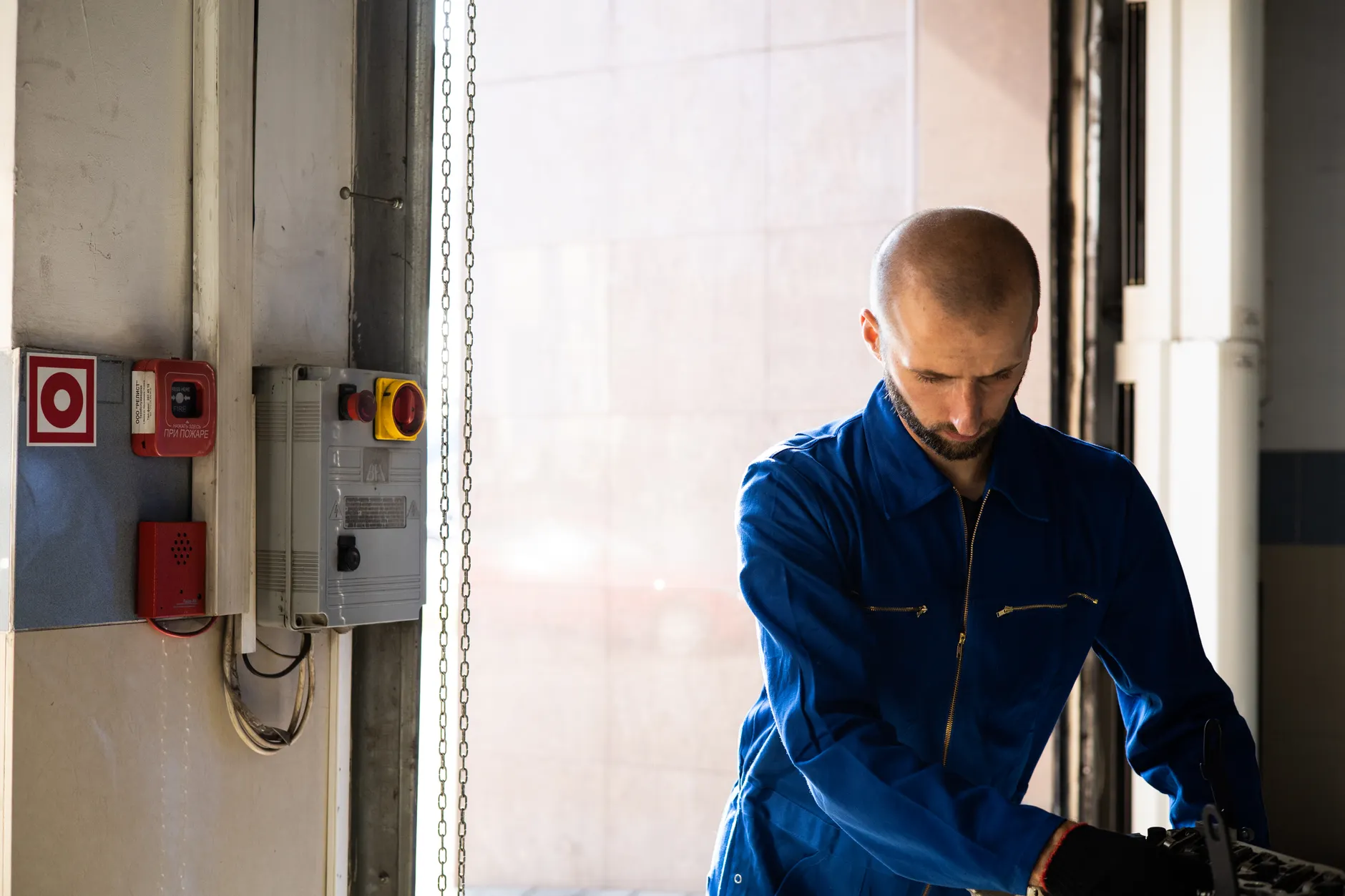
Flushing the Whole Circuit
A power flushing pump is connected in place of the circulating pump and drives water through each radiator in turn, reversing the flow to dislodge sludge. Chemical cleaner is used first to loosen the deposits. The process runs radiator by radiator until the discharge water runs clean.
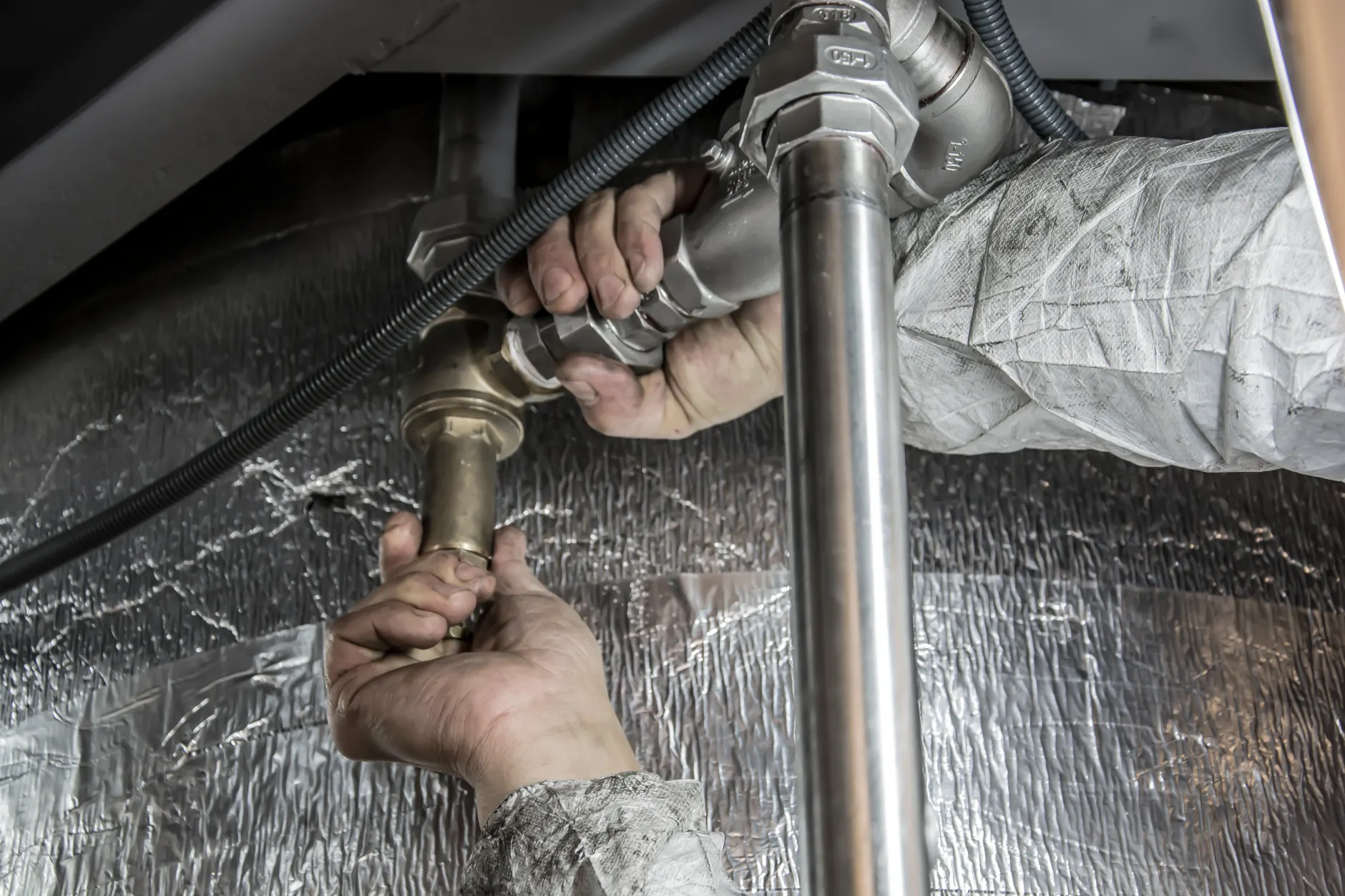
Repairing What the Flush Shows Up
Flushing can reveal stuck valves, weeping joints and radiators that were held together by sludge. Old radiators with pinholes are better replaced than flushed, since pressure can open them up. The partner company flags these before starting and quotes any repair separately.
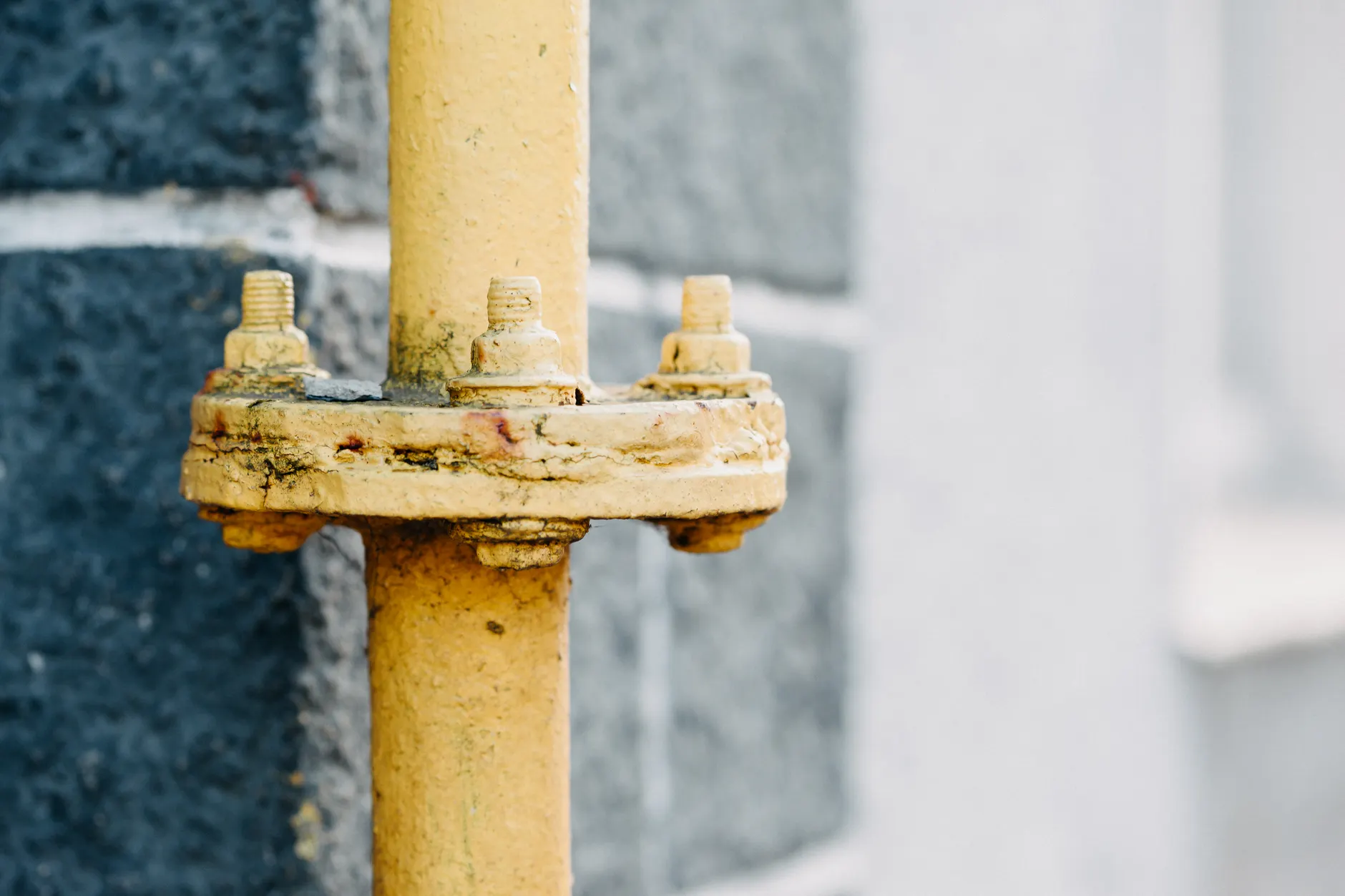
Inhibitor and a Magnetic Filter
After the flush the system is refilled with inhibitor, which slows corrosion, and often fitted with a magnetic filter that catches debris. Published London radiator prices run £110 to £350 if a radiator has to be replaced. Our central heating repair page covers what else can go wrong.
Benefits for You
How a Power Flush Is Run
A day's work, done in order.
Test Before Starting
The system is checked for leaks and the water tested, so you know whether a flush is wise. If radiators are already failing, the partner company tells you.
Flush, Balance and Refill
Each radiator is flushed, the water drained and the system refilled with inhibitor. Radiators are balanced afterwards so the heat evens out.
Written Record
You are told what was done, what was added and what was found, so there is a record if the boiler needs servicing later.
Tips & Advice
Do You Need a Power Flush?
Some symptoms say yes, some say not yet.
Signs a Flush Is Worth It
Several of these together point to a dirty system.
- Several radiators cold at the bottom or in the middle
- Black, sludgy water when you bleed a radiator
- Boiler noise: banging, kettling or rumbling
- Slow warm-up and rising gas bills
- Repeat pump or heat exchanger failures
When to Hold Off
A flush can do harm if the system is fragile.
- One cold radiator only, which can be cleaned alone
- Radiators already weeping or badly corroded
- A system with recurring leaks and no cause found
- A boiler about to be replaced anyway
- No budget for repairs a flush may uncover
Why Use Us
Power Flushing Across SW17 and SW12
Older houses carry older sludge.
Heaver Estate Pipework
Alfred Heaver's Queen Anne houses on and around Tooting Bec Common were built before central heating, so the pipework has been added and altered over time. Old steel radiators and long mixed-material runs shed rust, and a flush often shows what is inside.
Balham Mansion Blocks
In a block such as Du Cane Court, heating may be individual or shared. The partner company confirms whose system it is before anything is connected, so you do not flush the freeholder's circuit by accident.
Furzedown and Combi Boilers
Many Edwardian houses around Furzedown now run combi boilers on old pipework. Sludge hurts a combi's plate heat exchanger, and a flush plus a filter can protect an expensive part.
A flush is one part of keeping a heating system healthy. If radiators are already failing, read central heating repair, and for a boiler that has stopped, emergency boiler repair. Water escaping from a system is covered on leak detection & repair. Browse every service.
What Is Power Flushing?
Power flushing is a pump-driven clean of a wet central heating system, removing rust, scale and sludge from radiators and pipework so water can circulate freely again. It is done to BS 7593, which also covers the inhibitor that goes back in afterwards.
A power flush is a medium-sized job, not a first resort. The honest approach is to try the cheaper fixes where they fit, then flush when the symptoms say the whole system is dirty.
What Affects the Price of a Power Flush
System Size
The number of radiators is the main driver, which is why published UK ranges run from £400 for a small system to £870 for a large one. London guides give £300 to £600 for a full-system flush. The partner company counts the radiators and writes the price down.
Condition of the System
A system with old, corroded radiators may need repairs before or after, and those are quoted separately. Fitting a magnetic filter adds a line to the bill, and it is usually money well spent in a hard-water area.
Cheaper Options Worth Trying First
Bleeding and Balancing
If radiators are warm at the bottom and cold at the top, the problem is air, not sludge. Bleeding takes minutes and balancing evens out the heat, and neither costs anything like a flush.
Cleaning a Single Radiator
One cold radiator can be taken off the wall, flushed in the garden or bath and refitted. It needs the system drained partly, but the cost sits well below the published £300 to £600 for a whole-system flush.
Chemical Cleaner Without the Pump
Where the system is only mildly dirty, a cleaning chemical circulated for a few days, then drained, can help. The partner company explains whether that is enough or a pumped flush is the honest answer.
Getting a Flush Booked Without the Fuss
What to Tell Us When You Ring
Tell us how many radiators there are, what type of boiler you have and which rooms stay cold. With that, we choose a partner company that suits the system and can warn them about a combi, a loft tank or a shared riser in a block.
What You Get in Writing
You get a figure in writing that covers the flush, the inhibitor and any filter, with repairs listed separately. If the partner company finds the radiators too corroded to flush safely, it says so before starting.
Ask for the written figure first, and ask what the partner company would do if the radiators turned out too fragile to flush. A straight answer to that question tells you most of what you need to know about who is coming.
Your Questions Answered
How much does a power flush cost in Tooting?
There is no Tooting-specific price, so these are published ranges rather than quotes from us. A full-system power flush is listed at about £300 to £600 in a London boiler guide, and UK guides give £400 to £870 depending on whether the system has 6 or 20 radiators, with London running higher. The partner company that attends gives you a figure in writing after assessing the system.
What does a power flush actually do?
A power flush uses a pump to force water through the radiators and pipes at high speed, along with a chemical cleaner that loosens rust and scale. The sludge is carried out and the system refilled with clean water and inhibitor. The aim is to restore flow, so radiators heat evenly and the boiler stops working against blockages.
Do I need a power flush, or will bleeding my radiators do?
Bleeding releases trapped air, which causes cold patches at the top of a radiator. A cold patch at the bottom means sludge, which bleeding cannot fix. If only one radiator is affected, removing and flushing it alone is far cheaper than a whole-system flush. The partner company recommends the smaller job first when it will work.
Can a power flush damage my heating system?
It can if the system is already fragile. High flow can open up pinholes in corroded radiators or expose weeping joints that sludge had been sealing, which is why the system is tested beforehand. A responsible flush follows BS 7593 and starts with an honest look at the radiators. If the system is too far gone, you will be told that replacing parts is the better route.
How long does a power flush take?
A typical house takes most of a working day, with larger systems or heavy sludge taking longer. Each radiator is flushed in turn, the water is tested, inhibitor is added and the system is refilled and balanced. The heating is off during the work, so the partner company usually plans it for a mild day, and will tell you roughly how long when quoting.
Why does Tooting's hard water matter for my heating?
Thames Water supply in the Tooting area is hard, at 262 mg/l of calcium carbonate, so dissolved minerals form scale where water is heated, especially on the boiler's heat exchanger. Scale narrows pipes, wastes energy and shortens the life of parts. Inhibitor and a magnetic filter after a flush slow the build-up. Scale is also why local boilers and cylinders are repaired so often.
What is BS 7593?
BS 7593 is the British Standard for treating water in domestic heating systems, covering cleansing, flushing and the use of inhibitor to protect the system afterwards. Following it means the work is done in a recognised order and the system is left protected. Boiler manufacturers often expect a clean, inhibited system, so ask the partner company how it follows the standard.
Will a power flush make my radiators hotter?
It often does, when the cause of cold radiators is sludge. Once water flows freely, radiators warm evenly from top to bottom and the boiler no longer has to work against restricted pipework. A flush will not fix a failed pump, a stuck valve or an undersized radiator, so the partner company checks those first. See emergency boiler repair if the boiler is the real problem.
Do I need a magnetic filter after a flush?
A magnetic filter is strongly worth having. It catches the iron oxide that corrosion keeps producing, so it never gets back into the pump and heat exchanger. Without one, sludge starts building again over time. The partner company can fit one at the flush and will quote it as a separate line so you can see what it adds.
Can I have a power flush on a combi boiler system?
Yes, and it is often a good idea, since a combi's compact heat exchanger is easily clogged by sludge. The flush is done through the radiator circuit, and the partner company follows the boiler manufacturer's instructions for the particular model. If the boiler is old and about to be replaced, it may make more sense to flush when the new one goes in.
Who carries out the work, and who sends the invoice?
An independently owned local plumbing company from our partner network does the work, matched to the system and to who can reach you soonest. We text you its name before anyone arrives. The partner quotes in writing, invoices you and takes payment directly, so we handle no money. If anything is wrong afterwards, ring us and we chase it, as set out on How We Work.